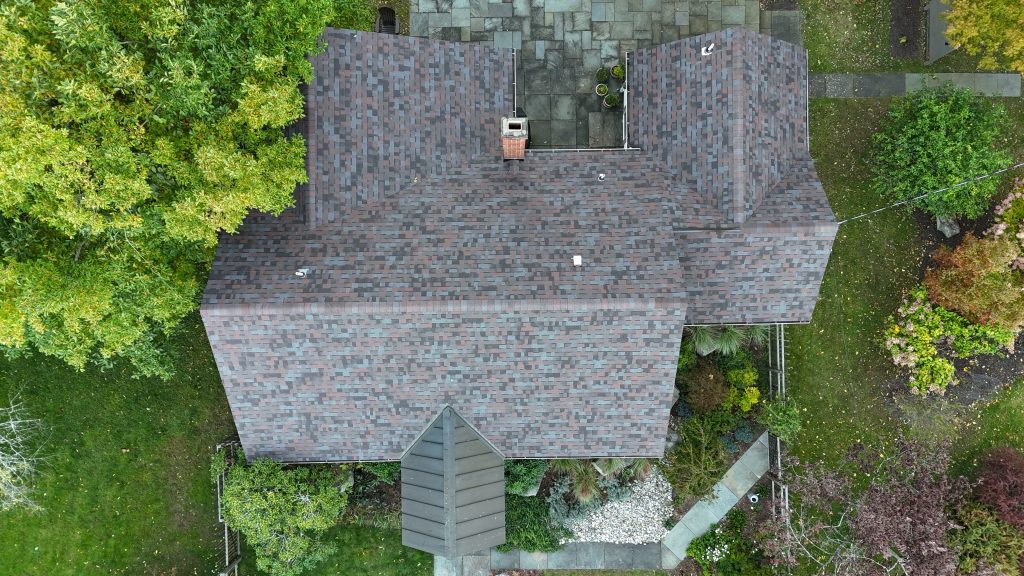
A well-maintained roof is key to protecting your home from Hudson Valley’s seasonal rains, unpredictable snow, and dramatic temperature swings. One critical yet often overlooked component of a durable roof system is the roof flashing. Proper flashing stands as your roof’s first line of defense against water intrusion, and even a small failure can lead to bigger, costly issues inside your home.
What Is Roof Flashing and Why Is It Essential?
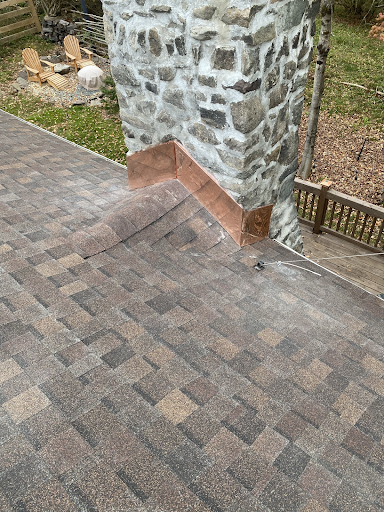
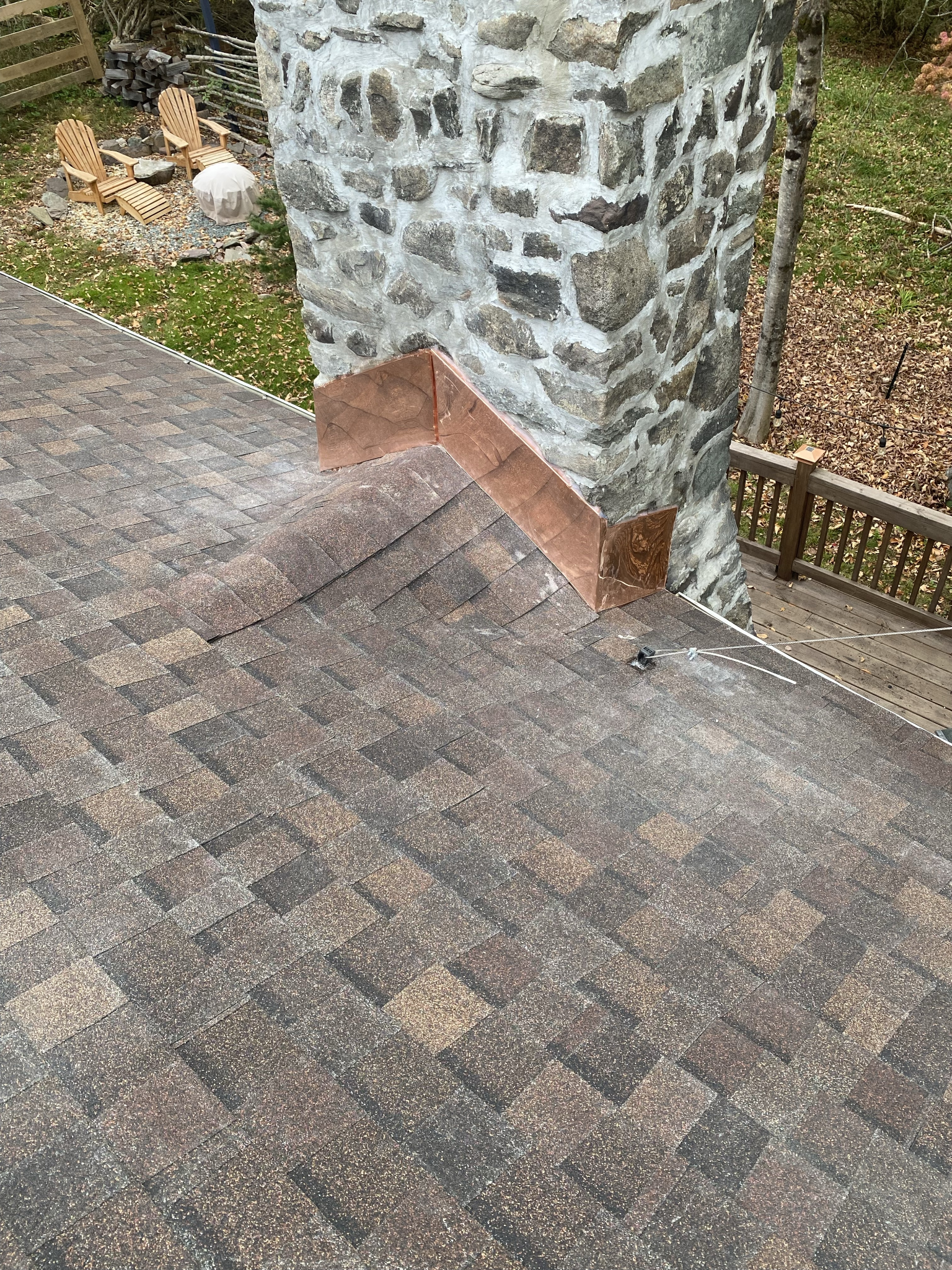
Roof flashing is typically made of thin sheets of metal, such as galvanized steel or aluminum, and is installed at the most vulnerable areas of your roof. These areas are places where water is most likely to find a way inside. The main purpose of flashing is to divert moisture away from seams and joints, ensuring that water flows down and off the roof rather than penetrating it. If you have ever noticed drip edges along the roofline, or metal trim placed around your chimney base, you are seeing flashing in action.
Properly installed roof repair and replacement solutions always include comprehensive flashing installation and checks. If water gets past your shingles or tiles, a well-sealed flashing barrier is your best backup to keep your attic, walls, and ceilings dry and free from mold or rot.
Where Roof Flashing Fails Most Often
While flashing is designed for protection, over years of battling the Hudson Valley’s freeze-thaw cycles, high winds, and heavy spring rains, even well-installed flashing can start to deteriorate or lose its grip. The most common problem areas for flashing failures include:
-
Chimney bases, where metal meets stone or brick
-
Roof valleys, where two roof slopes meet and water quickly accumulates
-
Around vent pipes, attic fans, and skylights
-
Eaves, especially along gutters clogged with leaves or ice
On homes throughout the Hudson Valley, Kreck Contracting’s team sees flashing issues most often at these transition points.
How to Spot Signs of Failing Roof Flashing
Timing is everything when it comes to repairing flashing. Recognizing the warning signs early can make all the difference in preventing water damage. You should keep an eye out for:
-
Rust, corrosion, or obvious holes in visible metal flashing
-
Loose or curled flashing edges
-
Stains or water marks on interior walls and ceilings
-
Damp attic insulation or a musty odor inside your home
-
Dripping sounds or visible leaks after a rainstorm
If your home has recently weathered a major storm, heavy snowfall, or extended rainy periods, it is wise to get a thorough roof inspection to check all flashing transitions before small issues grow bigger.
How Professionals Ensure Watertight Roof Transitions
Flashing installation is both an art and a science. While temporary patches or caulking from a hardware store might hold for a season or two, true long-term protection demands a well-trained crew. Professional installers start by removing all old, corroded, or improperly installed flashing. They use quality metals suited for Hudson Valley’s climate, overlapping each piece for runoff, and sealing every joint, edge, and fastener with high-grade roofing cement.
Professionals pay particular attention to valleys and chimney bases, shaping and embedding the metal precisely to fit each angle and joint. After the installation, they conduct water tests and thorough storm damage repairs to ensure no leaks remain.
Schedule Your Flashing Inspection or Repair in Port Jervis, NY
Is your roof ready for another Hudson Valley season? Kreck Contracting, based in Port Jervis, NY, specializes in proactive flashing inspections, repairs, and full roof replacements. Protect your home by calling 845-667-0586 to speak with a local, knowledgeable team member, or fill out our online form to request a roof evaluation today.